Discover Banff National Park: Your Ultimate Guide to Activities, Scenery, and Planning Your Trip
Imagine stepping into a postcard. Picture towering, snow-dusted peaks piercing impossibly blue skies, reflected in lakes so turquoise they seem unreal. Envision vast forests teeming with wildlife, from majestic elk grazing in meadows to elusive grizzly bears roaming the slopes. This isn’t a fantasy; it’s Banff National Park, a jewel nestled in the heart of the Canadian Rockies.
Established as Canada’s very first national park in 1885 and designated a UNESCO World Heritage Site, Banff is more than just stunning scenery – it’s a sanctuary of natural wonders and a playground for adventurers. Located just a short drive west of Calgary, Alberta, this iconic destination captivates visitors year-round, offering a diverse tapestry of experiences whether blanketed in winter snow or bathed in summer sunshine.
This guide is designed for you, the traveler or tour guide, seeking to unlock the best of Banff. We’ll delve into the myriad activities, explore the breathtaking features, share essential planning tips, and provide practical information to help you craft an unforgettable journey into this Canadian treasure.
 Image sourced from www.goodfreephotos.com. Please contact us if you want this to be removed.
Activities: Adventures for Every Season
Banff National Park is an outdoor enthusiast’s paradise, offering an incredible range of activities set against a backdrop of unparalleled beauty. Whether you seek adrenaline-pumping adventures or serene moments in nature, there’s something for everyone.
Hiking and Walking
With over 1,600 kilometers (1,000 miles) of trails, Banff is a hiker’s dream. The network caters to all abilities, from gentle lakeside strolls perfect for families to challenging multi-day treks deep into the backcountry.
- Johnston Canyon: One of Banff’s most popular hikes, this trail follows catwalks bolted to limestone cliffs, leading through a deep canyon to stunning upper and lower waterfalls. It’s accessible year-round, transforming into a magical ice walk in winter.
 Image sourced from upload.wikimedia.org. Please contact us if you want this to be removed.
- Tunnel Mountain Summit: A relatively short but steep climb right from the town of Banff, rewarding hikers with panoramic views of the townsite, Bow Valley, and surrounding peaks.
- Lake Louise Area Trails: Explore the iconic shoreline with the easy Lake Louise Lakeshore trail. For more elevation and stunning views, hike to the Lake Agnes Tea House (enjoy refreshments amidst larch trees in fall!) or ascend further to the Plain of Six Glaciers Tea House for breathtaking glacial vistas.
 Image sourced from live.staticflickr.com. Please contact us if you want this to be removed.
- Moraine Lake Area Trails: The short Rockpile Trail offers the iconic viewpoint seen in countless photos. Other options include the Consolation Lakes trail, offering a relatively flat walk into a stunning valley. (Note: Access to Moraine Lake is restricted to shuttles, transit, or bicycles).
- Winter Ice Walks: Beyond Johnston Canyon, guided ice walks are available in other locations like Grotto Canyon, showcasing frozen waterfalls and unique ice formations.
Water Activities
The park’s glacial lakes and rivers offer refreshing ways to explore the landscape.
- Canoeing, Kayaking, and Paddleboarding: Glide across the impossibly turquoise waters of Lake Louise or Moraine Lake for an iconic Banff experience. Rentals are available at both locations. Lake Minnewanka, the largest lake in the park, and the Vermilion Lakes also offer fantastic paddling opportunities.
- Lake Minnewanka Cruise: Take a scenic boat cruise on Lake Minnewanka to learn about the area’s history, geology, and wildlife while enjoying stunning mountain views from the water.
 Image sourced from get.pxhere.com. Please contact us if you want this to be removed.
- Whitewater Rafting: For thrill-seekers, several operators offer guided whitewater rafting trips on nearby rivers like the Kananaskis and Kicking Horse River (just outside the park boundaries), providing an exhilarating way to experience the power of the Rockies’ waterways.
Sightseeing & Scenic Drives
Sometimes, the journey itself is the destination, especially on Banff’s world-renowned scenic drives.
- Icefields Parkway (Highway 93 North): Consistently ranked among the world’s most beautiful drives, the Icefields Parkway stretches 232 kilometers (144 miles) from Lake Louise to Jasper National Park. It offers non-stop jaw-dropping scenery, with numerous pull-offs for glaciers (like Crowfoot and Bow Glacier), turquoise lakes (Peyto Lake, Bow Lake), waterfalls, and wildlife viewing. Allow a full day if driving the entire length.
 Image sourced from get.pxhere.com. Please contact us if you want this to be removed.
- Lake Minnewanka Scenic Drive: This loop road just outside the Banff townsite provides access to Lake Minnewanka, Two Jack Lake, and Johnson Lake. It’s a great spot for picnics, short walks, paddling, and wildlife viewing, particularly bighorn sheep.
- Vermilion Lakes Drive: Located just off the Trans-Canada Highway near the Banff townsite entrance, this short drive offers iconic reflection views of Mount Rundle, especially stunning at sunrise and sunset.
- Bow Valley Parkway (Highway 1A): A slower-paced alternative to the Trans-Canada Highway between Banff and Lake Louise, this scenic route offers enhanced opportunities for wildlife viewing (elk, deer, bears) and access to trailheads like Johnston Canyon. Note seasonal closures for wildlife protection.
Wildlife Viewing
Banff is a haven for wildlife. Keep your eyes peeled for iconic Canadian creatures.
- Common Sightings: Elk are frequently seen, sometimes even wandering through the Banff townsite. Bighorn sheep often graze near Lake Minnewanka or along highway slopes. Deer, coyotes, and various bird species are also common.
- Bears: Both black bears and grizzly bears inhabit the park. While sightings are special, always maintain a safe distance (at least 100 meters/330 feet) and never feed them. Carry bear spray and know how to use it when hiking.
- Best Spots: The Bow Valley Parkway, Lake Minnewanka Scenic Drive, and quieter hiking trails offer good chances. Early morning and dusk are often the best times.
- Guided Tours: Consider a guided wildlife tour for expert insights and increased chances of spotting animals safely.
Gondolas and Chairlifts
Ascend effortlessly for breathtaking panoramic views.
- Banff Gondola (Sulphur Mountain): Offers spectacular 360-degree views of six mountain ranges, the Bow Valley, and the town of Banff from its summit boardwalk and interpretive centre.
- Lake Louise Ski Resort & Summer Gondola: Ride the gondola or chairlift for stunning views of Lake Louise, Victoria Glacier, and surrounding peaks. It’s also known as one of the best places for grizzly bear sightings from the safety of the lift in summer.
- Banff Sunshine Sightseeing Gondola & Chairlift: Access Sunshine Meadows in summer, renowned for its alpine wildflowers and extensive network of high-altitude hiking trails.
Hot Springs
Relax and rejuvenate in mineral-rich waters.
- Banff Upper Hot Springs: Soak in the historic outdoor pool while enjoying stunning views of Mount Rundle. It’s a perfect way to unwind after a day of hiking or skiing.
Historical Sites
Delve into the park’s rich history.
- Cave and Basin National Historic Site: Discover the birthplace of Canada’s national park system. Explore the natural thermal mineral springs, interactive exhibits, and learn about the area’s natural and cultural history.
- Banff Park Museum National Historic Site: Step back in time in Western Canada’s oldest natural history museum, housed in a unique log building (built 1903), showcasing Victorian-era taxidermy collections.
Winter Sports
When snow blankets the landscape, Banff transforms into a winter wonderland.
- Skiing and Snowboarding: Hit the slopes at Banff’s “Big 3” ski resorts: Banff Sunshine Village, Lake Louise Ski Resort, and Mt. Norquay, offering terrain for all levels.
- Snowshoeing: Explore numerous trails, including routes around Lake Louise, Johnston Canyon, or quieter paths like the Fenland Trail.
- Cross-Country Skiing: Glide along groomed trails at the Canmore Nordic Centre (nearby) or track-set paths within the park like the Cascade Valley trail.
- Ice Skating: Enjoy outdoor skating on frozen lakes like Lake Louise (when conditions permit and are deemed safe) or maintained rinks in Banff and Lake Louise.
- Other Winter Fun: Try dogsledding, horse-drawn sleigh rides, tubing, or the magical Johnston Canyon Icewalk.
Biking
Explore the park on two wheels.
- Banff Legacy Trail: A paved, 26.8 km recreational pathway linking the Town of Banff with the Town of Canmore, offering stunning views and a great workout.
- Mountain Biking: Numerous trails cater to mountain bikers, ranging from easy cruisers to technical singletrack. Check Parks Canada for designated trails.
- Road Cycling: The Bow Valley Parkway (check seasonal closures) and the Icefields Parkway offer challenging and incredibly scenic road cycling opportunities.
Features: The Essence of Banff’s Beauty
Banff’s allure lies in its extraordinary natural features, a combination of geological wonders and diverse ecosystems that create landscapes of unparalleled grandeur.
Spectacular Mountain Scenery
The park is dominated by the Canadian Rockies, a vast expanse of soaring, jagged peaks often capped with snow even in summer. Mountains like Cascade Mountain, Mount Rundle, Castle Mountain, and the peaks surrounding Lake Louise define the skyline, creating dramatic vistas at every turn. The sheer scale and ruggedness are awe-inspiring.
Turquoise Lakes
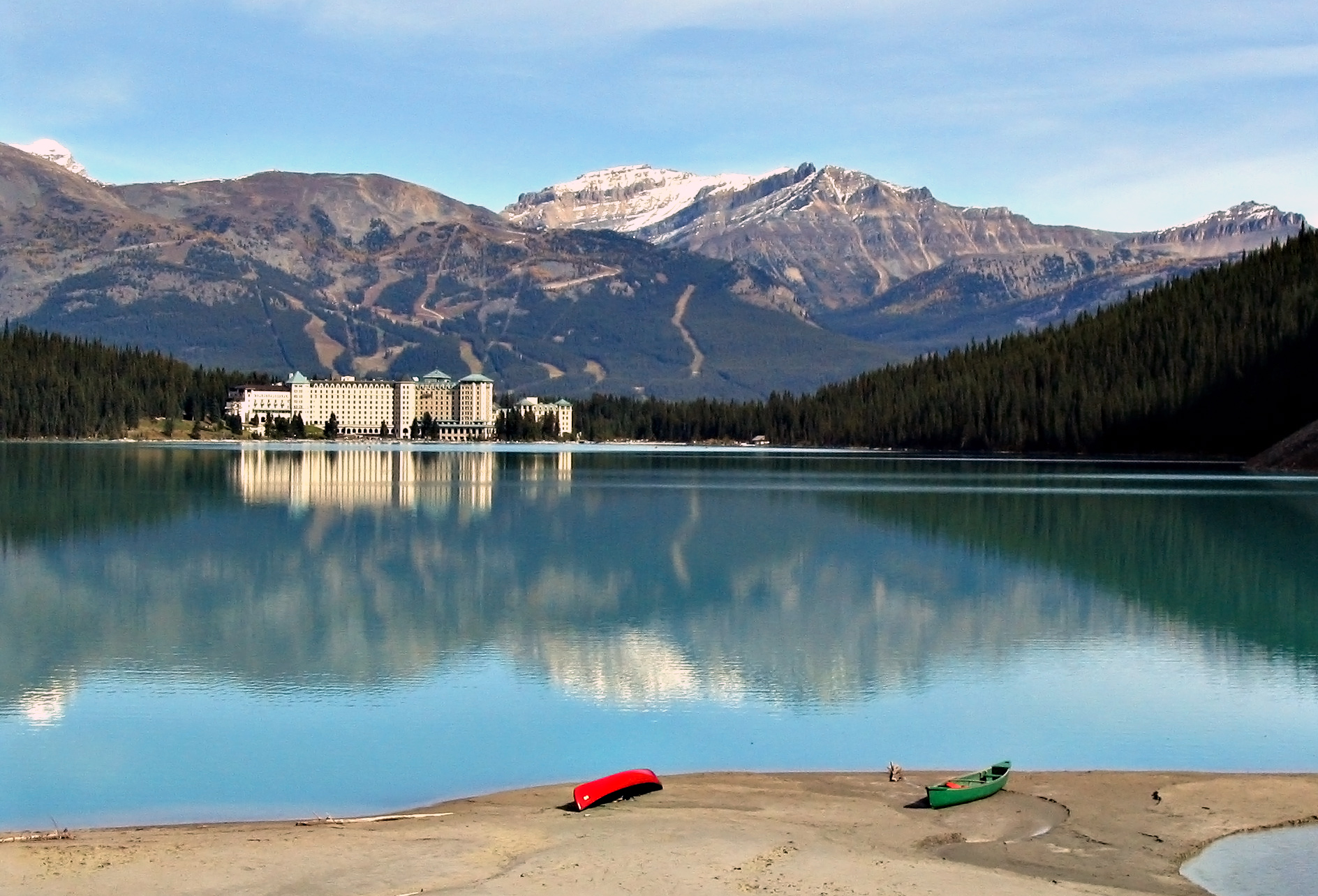
Perhaps Banff’s most defining feature, the glacial lakes boast a unique, vibrant turquoise or emerald hue. This stunning colour comes from “rock flour” – fine-grained silt suspended in the water, ground up by glaciers and carried into the lakes by meltwater. Sunlight reflecting off these particles creates the famous colours of Lake Louise, Moraine Lake, Peyto Lake, Bow Lake, and Hector Lake.
Glaciers and Icefields
Banff is home to numerous glaciers and is adjacent to the vast Columbia Icefield (accessible via the Icefields Parkway). These ancient rivers of ice sculpted the landscape and continue to feed the park’s iconic lakes and rivers. Viewpoints along the Icefields Parkway offer glimpses of glaciers like Crowfoot Glacier and Bow Glacier, and the Athabasca Glacier (part of the Columbia Icefield) can be visited via guided tours.
Dense Forests and Alpine Landscapes
The park encompasses diverse ecosystems, from dense coniferous forests of pine, spruce, and fir in the valleys to fragile alpine meadows bursting with wildflowers above the treeline. These varied habitats support a rich array of plant and animal life.
Waterfalls and Canyons
The power of water carving through rock is evident throughout Banff. Johnston Canyon showcases waterfalls plunging into deep pools within a narrow limestone canyon. Bow Falls, located near the Banff townsite, is a wide, tumbling cascade easily accessible for viewing. Numerous other waterfalls can be found along hiking trails and scenic drives.
Wildlife Habitat
Banff National Park provides critical habitat for a wide range of Rocky Mountain wildlife. It’s part of a larger network of protected areas crucial for the long-term survival of species like grizzly bears, wolves, elk, bighorn sheep, mountain goats, cougars, lynx, and hundreds of bird species. Protecting this habitat is a core mandate of the park.
Historic Significance
As Canada’s first national park (established 1885) and a key part of the Canadian Rocky Mountain Parks UNESCO World Heritage Site (designated 1984), Banff holds significant historical and cultural value. Its creation marked the beginning of Canada’s national park system, born from the discovery of the thermal hot springs at the Cave and Basin.
Town of Banff and Village of Lake Louise
Nestled within the park boundaries are the Town of Banff and the smaller Village of Lake Louise. These unique communities serve as hubs for visitors, offering accommodations, restaurants, shops, galleries, and essential services while being surrounded by protected wilderness. Managing the balance between townsite amenities and ecological integrity is a key aspect of park management.
 Image sourced from upload.wikimedia.org. Please contact us if you want this to be removed.
Tips and Notes: Planning for a Smooth Trip
A little planning goes a long way in ensuring your Banff adventure is enjoyable and stress-free. Here are some key tips:
- Book Accommodation and Tours Well in Advance: Banff is incredibly popular, especially during peak summer months (July-August) and holidays. Book hotels, campsites, popular tours (like the Lake Minnewanka cruise or gondolas), and restaurant reservations months ahead if possible.
- Reserve Parks Canada Shuttles: Access to Moraine Lake is only via shuttle, transit, or bicycle. Parking at Lake Louise is extremely limited and fills very early (often before sunrise in summer). Booking Parks Canada shuttles or using Roam Transit is essential for visiting these iconic lakes. Reservations open in the spring and book up quickly.
- Purchase Your Park Pass: A Parks Canada Discovery Pass (annual, valid for multiple national parks) or a daily pass is required for entry into Banff National Park. You can buy it online in advance or at the park gates. This pass covers entry but does not include camping fees, hot springs admission, parking fees in some areas, or activity costs.
- Prepare for Parking Challenges (and Costs): Parking in the Town of Banff and at popular trailheads (like Johnston Canyon, Lake Louise) is limited, often requires payment, and fills rapidly. Consider arriving very early, visiting during off-peak times, or better yet, utilize transit.
- Embrace Public Transit: The Roam Public Transit system is excellent, connecting the Town of Banff, Canmore, Lake Minnewanka, Johnston Canyon, Lake Louise, and Sulphur Mountain. Parks Canada operates shuttles to Lake Louise and Moraine Lake. Using transit reduces congestion, eliminates parking stress, and is often the easiest way to reach popular spots.
- Practice Wildlife Safety: Always maintain a safe and respectful distance from wildlife (at least 30m/100ft for elk/deer/sheep, 100m/330ft for bears/wolves/cougars). Never feed wildlife – it’s illegal and harmful. Carry bear spray when hiking, know how to use it, travel in groups, and make noise on trails. Check for trail restrictions or closures due to bear activity.
- Pack for Mountain Weather: Weather in the Rockies can change rapidly, even in summer. Pack layers (including waterproofs and warm layers like fleece or down), sturdy footwear, sunscreen, sunglasses, and a hat. Be prepared for cooler temperatures at higher elevations.
- Leave No Trace: Help protect Banff’s pristine environment. Stay on marked trails, pack out everything you pack in (including organic waste like apple cores), dispose of garbage properly in wildlife-proof bins, and minimize your impact.
- Check Alerts and Closures: Before heading out, always check the official Parks Canada website (pc.gc.ca/banff) for the latest information on weather forecasts, trail conditions, wildlife warnings, fire bans, road closures (including seasonal ones like the Bow Valley Parkway or Moraine Lake Road), and shuttle schedules.
- Consider the Shoulder Seasons: Visiting in May-June or September-October can offer a fantastic experience with fewer crowds, potentially lower prices, beautiful spring wildflowers or stunning fall colours (especially larch season in late September/early October), and generally pleasant weather, though conditions can be more variable than mid-summer.
- Bring Some Cash: While most places accept cards, some smaller vendors or locations like the Lake Agnes Tea House and Plain of Six Glaciers Tea House near Lake Louise operate on a cash-only basis.
Practical Information for Your Banff Visit
Here’s essential information to help you plan the logistics of your trip.
Best Time to Visit
- Summer (June to August): Offers the warmest weather, longest daylight hours, and access to almost all hiking trails and activities, including vibrant wildflowers in alpine meadows. This is also the peak season, meaning the largest crowds and highest prices. Book everything far in advance.
- Shoulder Seasons (May-June & September-October): A great balance with fewer crowds than summer.
- May-June: Lakes are thawing (often fully thawed by early/mid-June), lower elevation trails are usually snow-free, and wildlife is active. Some higher elevation trails may still be snow-bound. Weather can be variable.
- September-October: Pleasant temperatures, generally fewer bugs, and stunning fall foliage, especially the golden larches (typically peak late Sept/early Oct). Moraine Lake Road usually closes after Canadian Thanksgiving (second Monday in October). Crowds increase during larch season.
- Winter (December to March): A magical time for snow sports (skiing, snowboarding, snowshoeing, cross-country skiing), ice skating, ice walks, and enjoying the cozy atmosphere. Roads are maintained, but winter tires are essential. Expect cold temperatures and shorter daylight hours. November and April are transition months with less predictable conditions.
Accessibility
Banff National Park strives to be accessible. Many key viewpoints (like Peyto Lake upper viewpoint, Bow Lake viewpoint) and attractions are wheelchair accessible. Several paved trails (e.g., Banff Legacy Trail, Fenland Trail, Lake Minnewanka picnic area trails, parts of the Lake Louise Lakeshore) offer easier access. Accessible parking, washrooms, and picnic sites are available at many locations. The Roam public transit buses are fully accessible, as are the Banff Gondola and Lake Louise Summer Gondola. The Banff Upper Hot Springs has ramp access to the pool deck, but note that the elevator to the change rooms may have limitations for some larger motorized wheelchairs. Check the Parks Canada website for detailed accessibility information for specific sites and trails.
Cost Indication
- Park Entry Fees: A Parks Canada pass is mandatory. As of 2023/2024, approximate daily fees are:
- Adult: ~$10.50 CAD
- Senior: ~$9.00 CAD
- Family/Group (up to 7 people in one vehicle): ~$21.00 CAD
- Youth (17 and under): Free
The Parks Canada Discovery Pass offers annual entry to over 80 Parks Canada places nationwide and is often cost-effective for stays of 7 days or more, or if visiting multiple parks. Current price is ~$72.25 CAD for an adult or ~$145.25 CAD for a Family/Group. (Note: Prices are subject to change; always check the official Parks Canada website for current fees.)
- Other Costs: Be prepared for additional costs for:
- Accommodation (can range significantly)
- Food and dining
- Activities like gondola rides (~$50-70+ CAD pp), boat cruises (~$60-80+ CAD pp), hot springs entry (~$16-18 CAD pp), equipment rentals (canoes ~$135+/hr at Lake Louise), guided tours, and ski lift tickets.
- Camping fees (vary by campground and amenities).
- Paid parking in certain areas (e.g., Banff townsite).
- Public transit fares (Roam Transit).
Getting Around
- By Car: Having a vehicle offers the most flexibility for exploring the vast park and accessing trailheads or viewpoints at your own pace, especially along the Icefields Parkway. However, be prepared for traffic congestion and parking challenges/costs in popular areas during peak season.
- Public Transit (Highly Recommended): Utilize the Roam Transit buses for travel within Banff, to Canmore, Lake Minnewanka, Johnston Canyon, and Lake Louise. Use the Parks Canada Shuttles (reservations required) for access to Lake Louise and Moraine Lake. This is often the most convenient and stress-free option for popular destinations.
- From Calgary: Shuttle services (like Banff Airporter, Brewster Express) and the seasonal On-It Regional Transit operate between Calgary International Airport (YYC) / downtown Calgary and Banff/Canmore.
- Cycling: Rent a bike (or e-bike) in Banff to explore local trails like the Legacy Trail or Vermilion Lakes Drive.
 Image sourced from live.staticflickr.com. Please contact us if you want this to be removed.
Getting There
The closest major airport is Calgary International Airport (YYC), located about 145 km (90 miles) or a 1.5-2 hour drive east of the Banff townsite. Major highways are well-maintained year-round, though winter conditions require caution and appropriate tires.
Services
The Town of Banff and the smaller Village of Lake Louise offer a wide range of services:
- Accommodations: Hotels, lodges, B&Bs, hostels, and campgrounds (reservations essential).
- Dining: From casual cafes and pubs to fine dining restaurants.
- Shopping: Souvenir shops, outdoor gear outfitters, galleries, grocery stores.
- Essential Services: Banks, post office, visitor information centres, medical clinics, hospital (in Banff townsite), gas stations.
 Image sourced from upload.wikimedia.org. Please contact us if you want this to be removed.
Top 5 Banff Itinerary Ideas
Need some inspiration? Here are five potential plans focusing on different aspects of Banff:
-
Iconic Lakes Exploration (Summer/Fall): Dedicate a day to Banff’s most famous lakes. Book your Parks Canada shuttle or Roam Transit in advance. Start at Lake Louise, take photos from the shore, stroll the easy Lakeshore Trail, or hike up to the Lake Agnes Tea House (cash only!). In the afternoon, take the connecting shuttle to Moraine Lake (accessible mid-June to mid-October). Hike the short Rockpile trail for that quintessential view, or walk the Moraine Lake Lakeshore trail. Consider renting a canoe for an hour at either lake for an unforgettable perspective.
 Image sourced from upload.wikimedia.org. Please contact us if you want this to be removed.
-
Scenic Drives and Viewpoints (Year-Round, road conditions permitting): Drive north from Lake Louise onto the Icefields Parkway (Hwy 93N). Stop at Bow Lake for reflections and photos. Continue to the Peyto Lake viewpoint (short walk from the parking lot) for its stunning turquoise colour and valley view. Turn around and head back south, perhaps exploring the shorter, quieter Bow Valley Parkway (Hwy 1A – check seasonal closures) on your way back towards Banff, keeping an eye out for wildlife. Finish with the Lake Minnewanka Scenic Drive near Banff townsite, stopping at Two Jack Lake and Lake Minnewanka.
-
Canyon Adventure and Hot Springs Relaxation (Year-Round): Hike the popular Johnston Canyon trail. Allow 2-3 hours to walk the catwalks to both the Lower and Upper Falls. In winter, this becomes a magical Icewalk (consider microspikes or a guided tour). Afterwards, drive up Sulphur Mountain (or take Roam Transit Route 1) to soothe your muscles with a relaxing soak in the mineral-rich waters of the Banff Upper Hot Springs, enjoying the mountain views.
-
Panoramic Views and Town Exploration (Year-Round): Ride the Banff Gondola up Sulphur Mountain. Spend time exploring the interpretive centre and walking the Sulphur Mountain Boardwalk to Sanson’s Peak for incredible 360-degree views of the Bow Valley and surrounding ranges. Afterwards, descend and spend the afternoon exploring the vibrant Town of Banff. Stroll along Banff Avenue, browse the shops and galleries, visit the Whyte Museum of the Canadian Rockies, or enjoy dinner at one of the many diverse restaurants.
-
Seasonal Special – Water Fun & Wildlife (Summer): Head to Lake Minnewanka. Take the scenic boat cruise for history and views, or rent a kayak/canoe/motorboat to explore on your own. Enjoy a picnic lunch by the lake. Afterwards, drive the Bow Valley Parkway (Hwy 1A) slowly, known as a prime corridor for wildlife spotting, especially elk and deer. Stop at interpretive viewpoints along the way. (Alternative Winter Special: Enjoy a classic winter activity like the Johnston Canyon Icewalk, snowshoeing near Lake Louise, or hitting the slopes at one of the ‘Big 3’ ski resorts.)
Banff National Park is a destination that truly stays with you long after you’ve left. Its majestic landscapes, diverse activities, and wild spirit offer endless opportunities for discovery and adventure. Plan ahead, respect the environment, and prepare to be amazed by the crown jewel of the Canadian Rockies.