Québec City Winter Carnival: A Spectacular Celebration of Winter Magic and Tradition
The Québec City Winter Carnival is more than just a festival—it is a powerful symbol of resilience, joy, and community spirit in the heart of winter. Held annually in Québec City, Canada, this world-famous celebration transforms icy temperatures into an unforgettable season of music, snow sculptures, parades, and cultural pride. As one of the largest winter festivals on the planet, the Québec City Winter Carnival attracts hundreds of thousands of visitors from around the globe who come to experience its unique blend of history, tradition, and modern festivities.
From its legendary mascot Bonhomme Carnaval to its awe-inspiring ice palace and thrilling outdoor events, the carnival represents the very soul of Québec in winter. In this in-depth guide, we’ll explore the carnival itself, its rich history, why it holds such importance for Québec City and beyond, and the many exciting events that make it truly unforgettable.
Introduction to the Québec City Winter Carnival
The Québec City Winter Carnival takes place every winter, typically from late January to mid-February, when snow blankets the city and temperatures drop well below freezing. Instead of retreating indoors, locals embrace the cold and invite the world to celebrate winter in all its glory.
What sets this carnival apart is its scale and authenticity. It’s not a tourist-only event—it’s deeply rooted in local culture and traditions that date back centuries. The carnival blends French-Canadian heritage with modern entertainment, offering something for everyone, from families and history lovers to adventure seekers and nightlife enthusiasts.
At its core, the carnival celebrates the idea that winter is not something to endure but something to enjoy.
The History of the Québec City Winter Carnival
Early Roots in New France
The origins of the Québec City Winter Carnival can be traced back to the era of New France in the 17th and 18th centuries. During this time, harsh winters were a defining feature of life in Québec. To cope with the long, cold months, communities organized social gatherings, feasts, and outdoor activities that brought warmth through companionship and celebration.
These early winter festivities laid the foundation for what would later become a formal carnival. Music, dancing, sleigh rides, and hearty meals helped settlers survive both physically and emotionally during the coldest season of the year.
The First Official Carnival
The first official Québec City Winter Carnival was held in 1894. The goal was simple yet ambitious: boost morale during winter and attract visitors to the city during the off-season. The idea was a success, and the carnival quickly became a beloved annual tradition.
However, the carnival did not run continuously. Economic challenges, world wars, and shifting priorities caused interruptions over the years.
The Birth of the Modern Carnival
The modern version of the Québec City Winter Carnival was officially revived in 1955. This revival marked a turning point, introducing many of the iconic elements we recognize today, including Bonhomme Carnaval, the ice palace, and large-scale public events.
Since then, the carnival has grown steadily, evolving with the times while staying true to its roots. Today, it stands as the oldest winter carnival in the world still held in its original location.
Why the Québec City Winter Carnival Is So Important
A Celebration of Identity and Culture
The Québec City Winter Carnival is deeply tied to Québécois identity. It reflects the region’s French heritage, language, traditions, and relationship with winter. By celebrating snow and cold rather than avoiding them, the carnival reinforces a sense of pride and cultural resilience.
Economic Impact on Québec City
The carnival plays a crucial role in the local economy. Each year, it generates millions of dollars in tourism revenue. Hotels, restaurants, shops, and tour operators all benefit from the influx of visitors during what would otherwise be a slow season.
This economic boost helps sustain local businesses and supports thousands of jobs across the city.
Community and Togetherness
Beyond economics, the carnival strengthens community bonds. Locals volunteer, perform, build snow sculptures, and participate in events. Schools, families, and neighborhoods come together to celebrate, creating a shared sense of ownership and belonging.
Global Recognition
The carnival has become an international symbol of winter celebration. It consistently ranks among the top winter festivals in the world and has helped position Québec City as a premier winter travel destination.
Bonhomme Carnaval: The Heart of the Festival
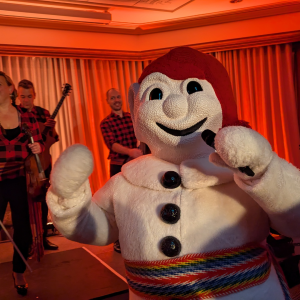
No discussion of the Québec City Winter Carnival would be complete without Bonhomme Carnaval, the festival’s beloved snowman mascot.
Who Is Bonhomme?
Bonhomme Carnaval is a larger-than-life snowman dressed in a red tuque (knit hat) and a traditional ceinture fléchée (arrow sash). Introduced in 1955, Bonhomme represents joy, friendliness, and the festive spirit of winter.
The Ice Palace
Bonhomme’s official residence is his magnificent ice palace, constructed each year using massive blocks of ice. The palace is one of the carnival’s most photographed attractions and serves as a gathering place for visitors of all ages.
Symbolism and Tradition
Bonhomme is more than a mascot—he’s a symbol of Québec’s winter soul. His presence at events, parades, and public appearances reminds everyone that the carnival is about fun, inclusivity, and embracing the season.
Major Events at the Québec City Winter Carnival
The Opening and Closing Ceremonies
The carnival kicks off with a spectacular opening ceremony featuring fireworks, music, and live performances. The closing ceremony is equally grand, offering a final chance to celebrate before the festival comes to an end.
Night Parades
The night parades are among the most anticipated events of the Québec City Winter Carnival. Illuminated floats, dancers, musicians, and performers fill the streets, creating a magical atmosphere against the snowy backdrop.
Ice Canoe Race Across the St. Lawrence River
One of the most thrilling and historic events is the ice canoe race. Teams navigate icy waters and floating chunks of ice to cross the St. Lawrence River, showcasing strength, teamwork, and tradition. This event dates back centuries and is a powerful reminder of Québec’s maritime heritage.
Snow Sculptures
Artists from around the world compete to create intricate snow sculptures displayed throughout the city. These frozen works of art range from whimsical to breathtakingly detailed and are a highlight for visitors.
Outdoor Sports and Activities
The carnival offers a wide range of outdoor activities, including:
- Snow tubing
- Ice skating
- Zip-lining
- Snowshoeing
- Nordic skiing
These activities encourage visitors to actively enjoy winter rather than simply observe it.
Family-Friendly Experiences
The Québec City Winter Carnival is designed to be welcoming for families. Dedicated zones feature games, rides, interactive shows, and kid-friendly performances. Bonhomme’s appearances are especially popular with children, making the carnival a memorable experience for all ages.
Food, Drink, and Winter Flavors
Traditional Québec Cuisine
Food plays a central role in the carnival. Visitors can enjoy classic Québécois dishes such as:
- Tourtière
- Pea soup
- Maple taffy on snow
The Famous Caribou Drink
One of the carnival’s most iconic beverages is Caribou, a warm alcoholic drink made with red wine, spirits, and spices. It’s traditionally served in souvenir cups and helps keep revelers warm during outdoor festivities.
The Role of Music and Entertainment
Music is woven throughout the Québec City Winter Carnival, with live performances ranging from traditional folk music to contemporary pop and electronic acts. Stages across the city host concerts, DJ sets, and cultural performances, ensuring there’s always something happening.
The Carnival’s International Appeal
The carnival attracts visitors from Europe, the United States, Asia, and beyond. Its combination of history, authenticity, and large-scale events makes it a bucket-list experience for winter travelers.
Travel guides and tourism organizations frequently highlight the festival, including the official tourism site of Québec City:
👉 https://visiquebec.com
Sustainability and Modern Innovations
In recent years, the carnival has taken steps to reduce its environmental impact. These efforts include sustainable materials for installations, waste reduction initiatives, and increased awareness of eco-friendly practices—all while maintaining the festival’s grandeur.
FAQs About the Québec City Winter Carnival
When does the Québec City Winter Carnival take place?
It usually runs from late January to mid-February, depending on weather conditions.
Is the carnival suitable for first-time winter travelers?
Yes. The festival is well-organized, and the city provides excellent infrastructure, warming stations, and visitor services.
Do you need tickets to attend events?
Many outdoor events are free, but some attractions and activities may require an official carnival pass.
How cold does it get during the carnival?
Temperatures can drop well below freezing, so dressing warmly is essential.
Is Bonhomme Carnaval always present?
Bonhomme appears at major events and public spaces throughout the festival.
Why is the carnival so famous worldwide?
Its history, scale, cultural depth, and ability to turn winter into a joyful celebration make it truly unique.
Conclusion: A Festival That Redefines Winter
The Québec City Winter Carnival is not just an event—it’s an experience that transforms winter into a season of wonder, connection, and pride. Rooted in centuries of tradition and fueled by modern creativity, the carnival showcases the heart of Québec like no other celebration.
Whether you’re drawn by its history, captivated by its events, or inspired by its joyful embrace of winter, the Québec City Winter Carnival stands as a powerful reminder that even the coldest season can be filled with warmth.