Why Visit Canada?
A Land of Natural Wonders
Canada is the second-largest country in the world, and it’s bursting with natural beauty. From the towering Rockies in Alberta to the Atlantic coastlines of Nova Scotia, Canada is like a never-ending postcard. Nature lovers will be thrilled by the crystal-clear lakes, sweeping prairies, snow-capped peaks, and ancient forests. Banff and Jasper National Parks offer some of the best hiking, stargazing, and glacier spotting you’ll ever experience.
Diverse Cultures and Friendly Locals
Canada’s rich cultural mosaic is one of its greatest assets. With English and French as official languages and large communities from Asia, Europe, and Indigenous nations, every region tells a different story. Canadians are famously polite and welcoming, making first-time visitors feel at home. Whether you’re in Quebec’s cobblestone alleys or Vancouver’s Chinatown, expect warm smiles and helpful advice.
Best Time to Visit Canada
Seasonal Highlights
Canada’s seasons are strikingly different. Winter (December to February) means skiing in Whistler or dog sledding in Yukon. Spring (March to May) brings blooming tulips to Ottawa and warming temperatures. Summer (June to August) is peak travel time—ideal for hiking, road trips, and outdoor festivals. Fall (September to November) paints the country in gold and crimson, perfect for foliage seekers.
Events and Festivals by Month
- January: Ice Magic Festival in Lake Louise
- June: Montreal Jazz Festival
- July: Canada Day nationwide
- September: Toronto International Film Festival (TIFF)
- October: Pumpkin festivals and fall colors in Ontario
Entry Requirements for Tourists
Visa and eTA Guide
Most travelers need either a visa or an Electronic Travel Authorization (eTA) to enter Canada. U.S. citizens can typically visit visa-free for up to 6 months. Visitors from other countries may need to apply online and show proof of funds, accommodation, and a return ticket.
Customs and Border Services
At the border, be prepared for questions about your trip. Canada Border Services Agency (CBSA) is friendly but thorough. Don’t bring in fresh produce, plants, or animal products without checking regulations. Always declare goods honestly to avoid fines.
Top Destinations to Explore
Banff and Jasper National Parks
Located in Alberta, these iconic parks boast turquoise lakes like Lake Louise and Moraine Lake, rugged mountains, and plenty of wildlife. They’re also part of a UNESCO World Heritage Site.
Vancouver and British Columbia
Coastal beauty meets city life. Explore Stanley Park, the Capilano Suspension Bridge, or hop over to Vancouver Island for whale watching and surfing in Tofino.
Quebec City and Montreal
Step into European-style streets, sample poutine and smoked meat, and enjoy the unique vibe of French-speaking Canada. Don’t miss the Winter Carnival in Quebec City!
Niagara Falls
One of the world’s most famous waterfalls, Niagara Falls is best seen from the Canadian side. Get up close on the Hornblower boat tour or explore the surrounding wine country.
Things to Do in Canada
Outdoor Adventures
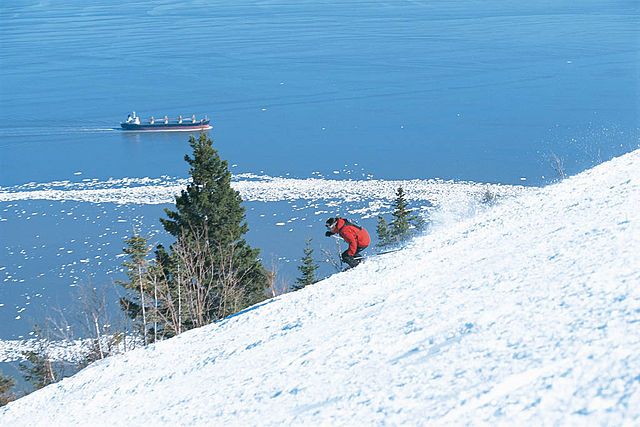
Canada is a dream destination for outdoor enthusiasts. Whether it’s skiing in Whistler, kayaking in the Bay of Fundy, or hiking the West Coast Trail, there’s no shortage of activities. In the Rockies, guided glacier walks and mountain climbing offer unforgettable thrills. In the east, you can surf in Nova Scotia or zipline over waterfalls in Quebec.
Urban Attractions
Canada’s cities are vibrant, multicultural hubs full of art, architecture, and history. Toronto’s CN Tower, Ottawa’s Parliament Hill, and Vancouver’s Granville Island are must-sees. Don’t miss out on the eclectic neighborhoods, like Kensington Market in Toronto or Old Montreal’s cobblestone charm.
Wildlife Watching
From polar bears in Churchill, Manitoba to orcas off the coast of British Columbia, Canada offers unparalleled wildlife experiences. Bring your camera—you might spot moose, elk, wolves, or even puffins depending on the region.
Canadian Cuisine to Try
Must-Eat Dishes
Trying local food is part of the Canadian experience. Here are a few dishes to look out for:
- Poutine: Fries topped with cheese curds and gravy—Canada’s comfort food.
- Butter Tarts: Sweet, gooey pastries found in nearly every bakery.
- Tourtière: A savory meat pie popular in Quebec.
- Nanaimo Bars: A no-bake layered dessert from British Columbia.
Popular Local Drinks
Canadians enjoy a range of beverages:
- Caesar Cocktail: A Canadian twist on the Bloody Mary, made with clamato juice.
- Ice Wine: A sweet dessert wine from Ontario and British Columbia.
- Craft Beer: Local breweries in every province offer diverse flavors.
Travel Costs and Budget Tips
Average Daily Expenses
Canada isn’t the cheapest destination, but you can manage costs with smart planning. Expect:
- Budget: $60–$90/day (hostels, fast food, local transport)
- Mid-range: $150–$250/day (hotels, casual dining, car rental)
- Luxury: $300+/day (resorts, fine dining, tours)
Money-Saving Tips for Tourists
- Buy a Parks Canada Discovery Pass for unlimited national park access.
- Use public transit in major cities to avoid costly parking fees.
- Dine at food trucks or local markets for affordable, tasty meals.
- Book accommodations early, especially in peak summer months.
Transportation and Getting Around
Renting a Car vs. Public Transit
For exploring rural and remote areas, renting a car is ideal. Highways are well-maintained and scenic. In cities, public transit systems like the TTC (Toronto), STM (Montreal), and TransLink (Vancouver) are efficient and safe.
Domestic Flights and Trains
Canada is vast, so flying between provinces can save time. Consider airlines like Air Canada, WestJet, and Porter. VIA Rail offers comfortable train travel, especially on routes like Toronto to Vancouver (The Canadian) or Montreal to Halifax (The Ocean).
Accommodation Options in Canada
Hotels, Hostels, and Airbnbs
Options abound in every city and town:
- Hotels range from budget chains to luxury suites.
- Hostels are popular with backpackers and solo travelers.
- Airbnbs offer a local touch and good value, especially for families or groups.
Unique Stays and Eco-Lodges
Try something different like:
- Treehouse cabins in British Columbia.
- Ice hotels in Quebec during winter.
- Off-grid lodges in Yukon for nature immersion.
Weather and Packing Essentials
Packing by Season
- Winter (Dec–Feb): Thermal layers, snow boots, gloves, and waterproof outerwear.
- Spring/Fall: Layers, rain gear, warm socks.
- Summer (Jun–Aug): Lightweight clothing, sunscreen, hiking shoes.
Tips for Outdoor Gear
Pack a daypack, reusable water bottle, bug spray, and weather-appropriate shoes. A compact first aid kit is handy for outdoor adventures.
Safety and Health Tips
Emergency Numbers and Insurance
- Dial 911 for emergencies across Canada.
- Carry travel insurance that covers health, accident, and cancellations.
- Pharmacies are widely available, and hospitals provide excellent care.
Staying Safe in the Wild
- Respect wildlife—stay 30 meters away from large animals.
- Follow park guidelines and check weather reports before heading out.
- Carry bear spray in backcountry areas.
Cultural Etiquette and Customs
Canadian Politeness
Canadians are known for being polite and respectful. Say “please,” “thank you,” and “sorry” generously. Wait your turn in queues and avoid loud conversations in public transport.
Tipping, Language, and Local Laws
- Tipping: 15–20% is standard at restaurants.
- Language: English is spoken across most of Canada; French is predominant in Quebec.
- Laws: Marijuana is legal, but don’t carry it across borders. Always carry ID.
Off-the-Beaten-Path Places
Yukon and Northern Territories
Explore the Aurora Borealis, paddle pristine rivers, and learn about Indigenous cultures in the sparsely populated north.
Hidden Gems in the Maritimes
Visit Prince Edward Island’s red cliffs, Cape Breton’s Cabot Trail, and quiet fishing villages in Newfoundland for a more laid-back, authentic experience.
Family-Friendly Travel Tips
Kid-Friendly Attractions
Canada is very child-friendly. Visit the Toronto Zoo, Science World in Vancouver, or take a train ride through the Rockies. There are also interactive museums like the Canadian Museum of History in Ottawa.
Traveling with Children
- Many hotels offer family suites.
- Bring snacks and activities for long car or train rides.
- Use stroller-friendly paths in major parks and attractions.
Eco-Tourism in Canada
Sustainable Travel Options
- Stay at eco-certified lodges.
- Choose bike tours or walking tours in cities.
- Support local businesses and Indigenous-led excursions.
National Parks and Conservation
Canada’s park system is vast and protected. Join Parks Canada initiatives like beach cleanups or trail restorations to give back.
Photography Spots in Canada
Instagram-Worthy Views
- Lake Louise and Moraine Lake for crystal waters and alpine backdrops.
- Capilano Suspension Bridge for forest canopy shots.
- Old Quebec for European charm.
Best Times for Nature Photography
- Golden hours (sunrise and sunset) yield the best lighting.
- Fall (Sept–Oct) is perfect for foliage, while winter snowscapes shine from Dec–Feb.
Local Experiences Not to Miss
Indigenous Culture Tours
Gain deeper insight into Canadian heritage through guided Indigenous experiences, such as traditional storytelling, drumming, and art workshops.
Canadian Sports and Ice Hockey
Attend a live NHL hockey game or try skating on Ottawa’s Rideau Canal, the world’s largest natural ice rink.
How to Plan Your Canada Itinerary
7-Day, 14-Day, and 21-Day Itineraries
- 7 Days: Toronto – Niagara Falls – Montreal
- 14 Days: Vancouver – Banff – Calgary – Toronto – Ottawa
- 21 Days: Add Yukon or Maritimes for unique landscapes and quieter adventures
Route Planning by Interest
- Nature lovers: Focus on the Rockies and coastal BC
- Culture seekers: Quebec, Ontario, and Nova Scotia
- Families: Major cities + national parks with easy access
Travel Apps and Online Resources
Best Apps for Navigation and Booking
- Maps.me and Google Maps for directions
- Rome2Rio for transport routes
- Skyscanner and Hopper for flights
- Parks Canada App for trail info and alerts
Helpful Websites and Blogs
- Canada.ca – official government info
- TripAdvisor – user reviews
Common Travel Mistakes to Avoid
Overpacking
Canada’s weather varies. Pack versatile layers and leave room for souvenirs.
Ignoring Weather and Distances
Distances between cities can be vast. Always check road conditions and flight times, especially in winter.
FAQs About Visiting Canada
1. Do I need a visa to visit Canada?
It depends on your nationality. Some require a visa; others need an eTA. Check Canada’s official website for up-to-date rules.
2. Is Canada safe for solo travelers?
Yes! Canada is one of the safest countries in the world. Cities and parks are well-maintained and locals are helpful.
3. What’s the best time to see the Northern Lights in Canada?
From October to March, in places like Yukon, Northwest Territories, and northern Manitoba.
4. Can I drive in Canada with my foreign license?
Yes, you can drive for up to 90 days with an international driving permit (IDP) along with your home country’s license.
5. How much does it cost to visit Canada for 2 weeks?
On average, a mid-range 2-week trip costs $2,500–$4,000 USD, including accommodation, food, and transport.
6. Is tipping expected in Canada?
Yes. Tipping is customary at 15–20% for most services, including restaurants, taxis, and salons.
We can’t wait to see you
Visiting Canada offers a rich blend of nature, culture, and adventure. Whether you’re chasing the northern lights, hiking through rugged landscapes, or strolling cosmopolitan cities, Canada welcomes travelers with open arms. With proper planning, a respect for local customs, and a curiosity to explore, your trip to Canada can truly become the journey of a lifetime.