When is the Best Time to Visit Canada?
Canada is a year-round destination, but the best time to visit depends on what you want to experience. Each season offers something unique, from snowy adventures to vibrant festivals and stunning natural beauty. This guide breaks down Canada’s seasons, highlights key activities, and explains regional variations to help you decide the best time to visit Canada.
Winter (December to February)
Winter in Canada is all about snow, ice, and cozy vibes. It’s the perfect time for cold-weather activities and festive celebrations.
What to Do:
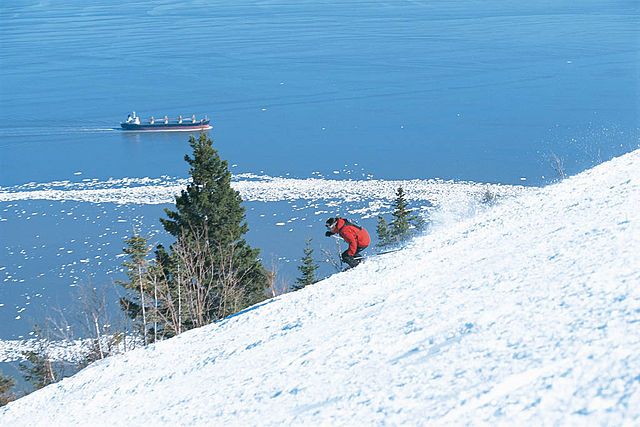
- Ski or snowboard in Whistler, Banff, or Mont-Tremblant.
- See the Northern Lights in Yukon or Northwest Territories.
- Explore Quebec City’s Winter Carnival, one of the largest in the world.
- Skate on the Rideau Canal in Ottawa, the world’s largest skating rink.
Regional Variations:
- British Columbia: Milder winters, especially in Vancouver and Victoria.
- Prairies (Alberta, Saskatchewan, Manitoba): Harsh, cold winters with heavy snowfall.
- Atlantic Canada: Snowy but less extreme than the Prairies.
Spring (March to May)
Spring is a time of renewal, with melting snow, blooming flowers, and milder weather. It’s ideal for those who prefer fewer crowds and lower prices.
What to Do:
- Visit the Canadian Tulip Festival in Ottawa.
- Hike in British Columbia’s coastal rainforests as trails reopen.
- Spot wildlife in national parks like Banff or Jasper.
- Explore Quebec City as it transitions from winter to spring.
Regional Variations:
- West Coast: Early spring with mild temperatures and rain.
- East Coast: Cooler and slower to warm up, with lingering snow in some areas.
- Prairies: Late spring thaw, often with muddy conditions.
Summer (June to August)
Summer is peak travel season in Canada, with warm weather, long days, and endless activities. It’s the best time to explore the outdoors and attend festivals.
What to Do:
- Hike in the Canadian Rockies or Cape Breton’s Cabot Trail.
- Attend the Calgary Stampede or Montreal Jazz Festival.
- Kayak or whale watch in Tofino, BC, or Newfoundland.
- Relax on the beaches of Prince Edward Island or the Great Lakes.
Regional Variations:
- West Coast: Warm but not overly hot, with occasional rain.
- Central Canada: Hot and humid, especially in Toronto and Montreal.
- Northern Canada: Short but intense summer with long daylight hours.
Fall (September to November)
Fall is a favorite for many travelers, thanks to cooler weather, fewer crowds, and stunning foliage. It’s a great time for scenic drives and outdoor activities.
What to Do:
- See fall colors in Algonquin Park (Ontario) or the Laurentians (Quebec).
- Drive the Cabot Trail in Nova Scotia for coastal views and autumn hues.
- Visit wineries in the Okanagan Valley or Niagara Region during harvest season.
- Explore cities like Vancouver or Halifax without the summer crowds.
Regional Variations:
- East Coast: Early fall foliage, starting in late September.
- West Coast: Milder fall with later foliage, often lasting into November.
- Prairies: Crisp, cool weather with golden landscapes.
Regional Breakdown: When to Go Where
- British Columbia: Mild year-round, but best in summer for outdoor activities or winter for skiing.
- Alberta: Summer for hiking in the Rockies, winter for skiing and snowboarding.
- Ontario & Quebec: Fall for foliage, summer for festivals, winter for snow sports.
- Atlantic Canada: Summer for coastal drives and seafood, fall for foliage.
- Northern Canada: Winter for Northern Lights, summer for midnight sun and wildlife.
Final Thoughts
The best time to visit Canada depends on your interests and the experiences you’re after. Winter is ideal for snow sports and cozy vibes, while summer offers festivals and outdoor adventures. Fall is perfect for foliage and fewer crowds, and spring is great for budget travelers and early blooms. No matter when you go, Canada has something to offer.
TORONTO WEATHER
VANCOUVER WEATHER
BANFF WEATHER